• GOBO SYSTEMS

RFID File & Document Tracking System — Record Management Software

Last updated: May 2026

Quick Answer:

GOBO File Tracker is a purpose-built RFID File Tracking System for government agencies, law firms, healthcare organizations, banks, and enterprises that manage large volumes of physical files, folders, and archive boxes. It provides real-time file location visibility via RFID portals and handheld scanners, biometric check-in/check-out with tamper-proof chain-of-custody, RFID portal-based unauthorized movement detection, and automated file retention and destruction workflows — deployable on-premises, private cloud, or public cloud (AWS, Azure). Production deployments include Shelby County (40,000+ active warrants), Elanco Animal Health (110,000+ batch record folders), and Nationwide Title Clearing.

What is an RFID File Tracking System?

An RFID File Tracking System is a software and hardware solution that uses Radio Frequency Identification (RFID) technology to track the real-time location, movement, and custody of physical files, documents, and archive boxes within an organization. RFID labels are attached to each file or folder; fixed RFID portals at doorways and handheld RFID scanners then automatically detect file movements without requiring manual scanning or line-of-sight reading. The system records every check-in, check-out, and transfer with a timestamp and user identity, creating a complete, tamper-proof audit trail and chain of custody. Key capabilities include biometric check-in/check-out, unauthorized movement detection via RFID-enabled doors, file retention and destruction scheduling, and real-time dashboard visibility. RFID file tracking systems are used by government agencies, law firms, healthcare organizations, banks, and large enterprises to prevent file loss, meet compliance requirements (HIPAA, ISO 15489, FINRA), and eliminate manual paper-based tracking.

An RFID File Tracking System by GOBO Systems — commercially known as GOBO File Tracker — is a purpose-built solution for organizations that need complete visibility, control, and accountability over physical files, documents, and archives. By utilizing the latest advancements in UHF RFID (860–960 MHz) and Barcode-based tracking technologies, the system delivers real-time monitoring of physical records across multiple departments and locations throughout their entire lifecycle.

Our Physical File Tracking Software enables secure check-in and check-out operations through Biometric Authentication and Digital Signature methods. Additionally, our File Tracking System incorporates RFID portal-based tracking, which immediately detects and alerts for any unauthorized movement of files. It ensures complete control and management of physical files, documents, and archives throughout the entire lifecycle, meeting all regulatory, legal, and compliance requirements, and minimizing the risk of lost, misplaced, and mishandled documents.

Ideal for government departments, law firms, banking and financial services, healthcare organizations, and large enterprises, the RFID File & Document Tracking System supports end-to-end lifecycle management — from creation and storage to retrieval, transfer, and archival. Since this software is extensively used by government departments, it is also known as Government File Tracking System. With centralized dashboards, detailed reporting, and analytics, organizations can improve operational efficiency, enhance accountability, strengthen data governance, and ensure audit readiness while maintaining the highest standards of security and compliance.

It ensures real-time visibility, accountability, and auditability of files, documents and archives.

GOBO File & Document Tracking System — Physical files RFID-tagged for real-time location tracking and chain-of-custody management

File Tracking System — At a Glance

  • Also Known As: Record Management Software, Physical File Tracking System, Government File Tracking System, File Circulation Tracking System, Document Tracking Software
  • Technologies: UHF RFID (860–960 MHz), Barcode/QR Code, RFID Portals, Handheld Scanners, Biometric Authentication (fingerprint)
  • Key Capabilities: Real-time file location, biometric check-in/check-out, chain-of-custody, RFID portal-based unauthorized movement detection, file retention & destruction, queue management
  • Served Sectors: Government departments, law firms, healthcare (HIPAA), banking & financial services, enterprises, archive centers, educational institutions
  • Deployment: On-premises, private cloud, or public cloud (AWS, Azure); integrates with Microsoft Entra ID (Azure AD) SSO, EDMS, and ERP systems
  • Proven Clients: Shelby County, Elanco, and organizations across government, law, and enterprise sectors

Key Features of RFID File and Document Tracking System

Flexibility For Metadata Customization

Our RFID File and Document Tracking System delivers robust management of a centralized database for Files, Documents, and Archives, serving as a single source of truth for all controlled information assets across the organization. The system maintains a complete and authoritative record of every file, document, and archive—ensuring consistency, visibility, and control throughout its entire lifecycle.

The database captures complete item identity, detailed metadata, and lifecycle information through configurable, template-driven data models. These templates allow each organization to define exactly what information must be recorded based on internal policies, regulatory requirements, and operational workflows—without the need for custom development.

Configurable data fields may include, but are not limited to: File No., Document No., Box No., Title or Name, Category or Classification, Volume Number, Folder type, Storage location, Archival date, Retention Period, Destruction Date, Review Date, and other organization-specific attributes. This flexibility ensures that all critical information is consistently captured and maintained in a structured format.

File Tracker Software Dashboard showing centralized database of files, documents, and archives with detailed metadata and lifecycle information

Tracking of Files, Documents & Archives Using RFID & Barcode Technology

File Tracker Color Label Coded Files

In an RFID-enabled system for tracking of Files, Documents and Archives/Boxes, each physical file, document folder, or archive box is uniquely labeled with an RFID tag or RFID label and Barcode label. Barcode labels may be simple black-and-white or color-coded, depending on client preferences and internal classification standards. RFID tagging enables rapid, non-line-of-sight scanning of multiple items simultaneously, significantly speeding up file check-in and check-out operations while eliminating manual entry errors.

By leveraging RFID technology, organizations can perform instant inventory audits, quickly locate misplaced or missing files, and maintain real-time visibility of physical records across record rooms and storage areas. Bulk scanning with handheld readers or RFID portals allows hundreds of files to be identified within seconds, improving operational efficiency, strengthening accountability, and ensuring complete traceability of files, documents, and archives throughout their lifecycle.

Learn more about RFID and Barcode Technology for File Tracking

Our RFID Document Tracking System fully supports the use of Barcode labels for organizations that prefer a more traditional approach or have existing barcode infrastructure in place. Barcode labels can be used in conjunction with RFID tags or as a standalone tracking method, providing flexibility to meet the specific needs and preferences of each organization. Barcode scanning can be performed using handheld scanners or mobile devices, allowing for efficient tracking and management of physical files, documents, and archives while maintaining accurate records and audit trails. Though system supports both RFID and Barcode tracking, we recommend using RFID technology for its superior speed, accuracy, and ability to track multiple items simultaneously without line-of-sight scanning.

Learn more about Why RFID over Barcode

Hierarchical Location Management

The Hierarchical Location Management feature of our RFID Document Tracking System for physical files, documents, and archives provides a structured approach to tracking the physical location of files, documents, and archives across multiple levels of storage and organizational hierarchy. This allows organizations to maintain real-time visibility into where each item is located within the facility, record room, or archive center.

The system supports a multi-tiered location structure that can be customized to reflect the specific layout and organization of the storage environment. For example, locations can be defined at various levels such as Building > Floor > Room > Cabinet > Shelf > Folder. Each file, document, or archive box can be assigned a specific location within this hierarchy, enabling precise tracking and easy retrieval.

As items are moved from one location to another, the system automatically updates their current location in real time. This hierarchical tracking allows users to quickly identify the exact whereabouts of any file or document, reducing search time and improving operational efficiency while ensuring complete traceability of physical records throughout their lifecycle.

File Tracker Hierarchical Shelving Racks

Ease of Onboarding

File Tracker Office Worker Scanning Files

The Ease of Onboarding feature of our File Management and Tracking System ensures a smooth and efficient transition from manual or legacy tracking methods to an automated, RFID-enabled system. The onboarding process is designed to minimize disruption to daily operations while quickly establishing a comprehensive tracking infrastructure for physical files, documents, and archives.

The system provides user-friendly tools for bulk data import, allowing organizations to easily migrate existing records from spreadsheets or legacy databases into the new system. This significantly reduces manual data entry and accelerates the setup process. Additionally, the integrated label printing module enables users to generate and print RFID labels directly from the system, streamlining the tagging of files and documents for tracking.

With intuitive interfaces, guided workflows, and comprehensive support resources, the onboarding process is designed to be straightforward and accessible for users at all levels of technical proficiency. This ensures that organizations can quickly realize the benefits of automated file tracking while maintaining continuity of operations during the transition period.

Electronic Document Management System (EDMS)

The system provides feature to store electronic documents alongside physical records in our Physical File Tracking System. This allows organizations to maintain a unified repository of all documents, whether physical or digital, with consistent tracking, access control, and audit trails across both formats. Users can upload electronic versions of documents, link them to their corresponding physical files, and manage them within the same platform. This integration of electronic document management capabilities enhances the overall functionality of the system, providing a comprehensive solution for managing all types of records while ensuring seamless access and control over both physical and digital assets.

File Circulation and Tracking Using RFID Technology

Our File Circulation Tracking Software makes use of RFID technology to provide continuous, automated tracking of physical files, documents, and archive boxes as they move across offices, record rooms, and secure storage areas. In this model, RFID-enabled doorways and RFID-secured doors are installed at critical transition points such as record rooms, archives, departments, and exit/entry points. Whenever a tagged file or document passes through these doorways or doors, the system automatically detects and records the movement without requiring manual scanning or user intervention.

In our File Movement Tracking System for Offices, each movement event is captured in real time, with the system updating the exact location and custody status of the file in the centralized database. This creates a clear, time-stamped path of travel for every file, document, or archive—showing where it originated, which areas it passed through, and its current location. These automated logs form a reliable audit trail that supports compliance requirements, internal controls, and external inspections.

By providing real-time visibility and accurate location tracking, RFID-enabled circulation workflows make it easy to locate files instantly, identify misplaced or unauthorized movements, and respond quickly to audit or operational requests. Automated tracking eliminates manual register entries, reduces human error, and significantly cuts down the time and effort spent searching for documents.

Overall, RFID-enabled doorway and door-based tracking improves accountability, security, and operational efficiency, while saving time, money, and administrative resources. It ensures complete traceability of physical files throughout their lifecycle, strengthens records governance, and enables organizations to manage large volumes of documents and archives with confidence and control.

More about File Circulation and Tracking using RFID technology

File Tracker RFID Enabled Doorway

Quick File Inventory, File Audit & Locating a File or Document

RFID Handheld Scanner Used for Quick File Inventory and Audit in Record Rooms

In storage facilities, RFID handheld scanners enable fast, accurate, and efficient inventory and audit operations for files, documents, and archive boxes. By scanning RFID-tagged items in bulk, users can instantly capture the presence and current location of hundreds of files within seconds—without opening folders or manually checking labels. Each inventory scan automatically updates the system with the latest location and status of files, documents, and archives, ensuring the database always reflects real-world conditions.

RFID handheld scanners also support comprehensive audit and verification processes. During audits, the system can quickly identify files that are missing, misplaced, or present in unauthorized locations by comparing expected records with actual scan results. This significantly reduces audit time while improving accuracy and compliance with records management policies.

In addition, handheld RFID scanners assist in rapid recovery of misplaced or missing files. Users can search for a specific file or document and receive real-time proximity feedback from the scanner, allowing them to locate items quickly within shelves, cabinets, or storage rooms. This capability eliminates time-consuming manual searches and minimizes operational disruption.

Overall, RFID-enabled handheld scanning transforms traditional file tracking into a real-time, automated, and highly efficient process. By reducing manual effort, preventing file loss, and accelerating inventory and audit activities, RFID enablement saves substantial time, operational costs, and administrative resources while improving accountability and control over physical files and archives.

Queue Management - Request and Ready For Pickup Queues

The Queue Management Module for File Pickup and Delivery Management of our RFID File and Document Tracking System streamlines and controls the end-to-end circulation of physical files and documents across departments. It replaces informal requests, emails, and manual follow-ups with a structured, transparent, and auditable workflow that ensures timely file delivery and return.

The system operates through clearly defined queues, starting with the Request Queue. Users submit requests for specific files or documents through the system, specifying purpose, priority, and required duration. All requests are centrally visible to records staff or file custodians, enabling efficient planning, prioritization, and controlled issuance of files based on authorization and availability.

Once a requested file is delivered to the user's desk and work is completed, the user raises a Ready for Pickup Queue request. This signals that the file is no longer required and can be collected by records staff for return to the record room, transfer to another requester, or movement to archival storage. This eliminates delays, reduces unnecessary file retention at desks, and ensures continuous circulation without manual follow-ups.

Throughout the process, the system maintains a complete audit trail of each request, delivery, handover, and pickup, including user identity, timestamps, and file status changes. Queue-based workflows improve accountability, prevent file loss, and provide real-time visibility into where files are, who is using them, and which requests are pending.

By formalizing file circulation through request and pickup queues, Queue Management improves operational efficiency, reduces turnaround time, enhances compliance with records governance policies, and ensures that physical files and documents are always tracked, controlled, and available when needed.

File Retention and Destruction Policies & Related Processes

The File Retention and Destruction module within our Physical Documents Tracking System provides a structured, automated approach to managing the entire lifecycle of physical files, documents, and archives—from creation and active use to retention, review, and secure destruction. This module provides comprehensive file retention policy management capabilities that help organizations ensure compliance with regulatory requirements, internal governance standards, and operational needs while minimizing storage costs and mitigating risks associated with retaining unnecessary or outdated records.

The system allows organizations to define custom retention policies based on regulatory requirements, internal governance standards, and operational needs. Each file or document record includes metadata fields for classification code, retention period, review date, and destruction date, enabling automated tracking of when items are due for review or disposal. The destruction of files can be configured to require multiple levels of approval, ensuring that no file is destroyed without proper authorization and compliance with established protocols.

As files approach their scheduled review or destruction dates, the system generates automated notifications and alerts to records managers and custodians. This ensures timely action is taken to assess whether files should be retained longer, archived for long-term storage, or securely destroyed in accordance with established protocols.

When files are approved for destruction, the system facilitates secure disposal processes by logging each destruction event with user identity, timestamp, and method of destruction. This creates a tamper-proof audit trail that supports compliance with data protection regulations and internal policies.

By automating retention scheduling, review workflows, and secure destruction logging, the File Retention and Destruction Policy Management System helps organizations reduce storage costs, mitigate compliance risks, and ensure responsible management of physical records throughout their lifecycle.

More about Physical File Retention and Destruction

Automated Notifications and Alerts for File Retention and Destruction Events

Our File Tracking System With Real-time Status of alerts and notifications ensures proactive management of file retention and destruction schedules through timely, automated reminders and alerts to records managers and custodians. As files approach their defined retention or destruction dates, the system generates notifications that prompt necessary actions, ensuring compliance with regulatory requirements and internal policies. These notifications include details such as file number, title, current location, retention period expiry, and recommended actions (extend retention, archive, or destroy). Alerts can be delivered through multiple channels including email, SMS, and in-system dashboard notifications, ensuring records managers never miss critical deadlines.

The system allows configuration of advance notification periods—for example, sending alerts 30 days, 15 days, and 7 days before a file's scheduled destruction date. This multi-stage notification approach provides adequate time for review, approvals, and necessary actions before final disposition.

Notifications can also be triggered for files on legal hold, pending litigation, or subject to special retention requirements, ensuring that no file is inadvertently destroyed while still under regulatory or legal protection. Escalation workflows can be configured to notify supervisors or compliance officers if action is not taken within specified timeframes.

By automating retention and destruction notifications, the system reduces the risk of non-compliance, prevents premature or unauthorized file destruction, and ensures that records managers maintain proactive control over file lifecycle management—saving time, reducing manual follow-ups, and strengthening overall records governance.

Status Management of Files, Documents, and Archives

The Status Management feature of our Enterprise Document Tracking System provides real-time visibility into the current status and availability of physical files, documents, and archive boxes throughout their lifecycle. Each item is assigned a dynamic status that reflects its current status and location, and hence enabling records managers and users to quickly assess file availability and take appropriate actions.

Common status categories include Available, Checked Out, In Transit, Under Review, Legal On-Hold, Archived, Pending Destruction, and Missing. These statuses are automatically updated based on system events such as check-in/check-out transactions, RFID portal detections, and user-initiated status changes.

The system's centralized dashboard provides an intuitive interface for monitoring file statuses across departments and locations. Users can filter and search for files based on their current status, making it easy to locate available items or identify those that require attention (e.g., overdue returns or missing files).

Status changes are logged with user identity, timestamps, and action details—creating a comprehensive audit trail that supports accountability and compliance. Automated alerts can be configured to notify records managers of critical status changes, such as files that are overdue for return or those flagged as missing.

By providing accurate, real-time status management, the system enhances operational efficiency, improves file accessibility, reduces search times, and strengthens overall records governance—ensuring that physical files, documents, and archives are always tracked, controlled, and available when needed.

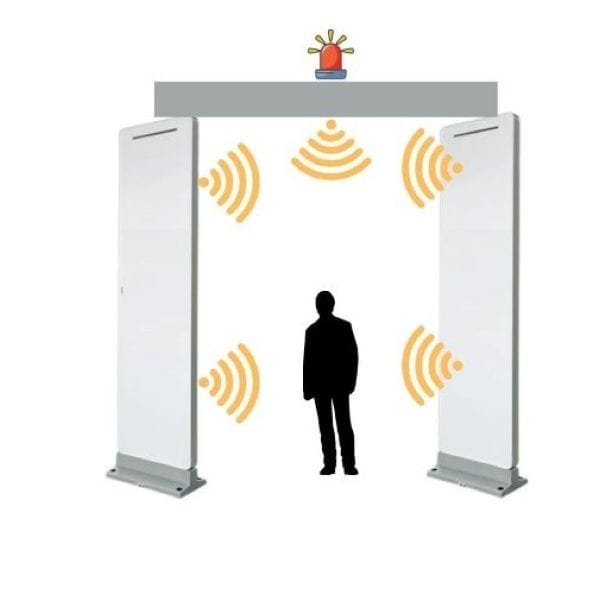
Prevent Unauthorized File Removal With Automated RFID Portals, RFID-Enabled Doors and Hallways

RFID Enabled Door for Preventing Unauthorized Exit of Files and Documents and Archives

RFID-enabled doors and hallways provide an automated and highly effective mechanism to prevent the unauthorized or unintended removal of physical files, documents, and archive boxes from secure areas. In this setup, all files and documents are tagged with RFID labels, and RFID readers with antennas are installed at strategic exit points such as record room doors, department entrances, hallways, and building exits.

Whenever a tagged file or document passes through an RFID-enabled door or hallway, the system automatically detects the movement in real time. The detected movement is immediately validated against authorized circulation rules, including approved requests, user permissions, file status, and destination. If a file is moved without a valid request, approval, or checkout transaction, the system can instantly flag the event as unauthorized or unintended movement.

Based on configured security policies, the system can trigger real-time alerts, visual indicators, or audible alarms, and log the event for further investigation. At the same time, the system records the exact time, location, and direction of movement, creating a tamper-proof audit trail that clearly shows how and where the file attempted to exit.

RFID-enabled hallways extend this protection beyond single doorways by continuously monitoring file movement across shared corridors and transition zones. This ensures that files cannot be accidentally carried outside controlled areas, misplaced during transit, or removed without detection—significantly reducing the risk of loss, theft, or data leakage.

By automating exit control and movement verification, RFID-enabled doors and hallways strengthen records security, compliance, and chain-of-custody enforcement. They eliminate reliance on manual checks, reduce human error, and provide organizations with confidence that sensitive files and documents remain protected at all times, even in high-traffic environments. With RFID readers installed at strategic locations, our system always tracks movements between departments and offices, ensuring that files are not lost or misplaced during transit. This is particularly important in environments where files are frequently moved for collaboration, review, or processing.

Compliance and Security

The system implements strong biometric authentication combined with a centralized role-based access control (RBAC) framework to deliver secure, policy-driven, and fully auditable access to file, document, and archive management functions. Biometric identity verification ensures that system access is restricted to authenticated individuals only, eliminating shared credentials and significantly reducing the risk of unauthorized access—an essential requirement for compliance with ISO 27001 information security controls and internal records governance policies.

A comprehensive RBAC model enforces access permissions based on defined roles, responsibilities, and clearance levels, ensuring that sensitive, classified, or restricted documents are accessible strictly on a need-to-know basis. This structured access control supports compliance with ISO 15489 records management standards, data confidentiality mandates, and regulatory requirements governing document classification, retention, and disclosure.

All file issuance, access, circulation, and return workflows are tightly integrated with authentication and authorization controls. Every transaction requires real-time biometric verification and role validation, and is automatically recorded with user identity, timestamp, and action details. This creates a complete, tamper-proof audit trail that supports internal audits, external inspections, and regulatory reviews.

By enforcing controlled access, maintaining immutable access logs, and aligning workflows with defined records retention and disposition policies, the system strengthens chain-of-custody management, reduces the risk of file loss or unauthorized disclosure, and ensures long-term compliance. The combined use of biometric authentication, granular RBAC, and audit logging delivers a standards-aligned, compliance-ready access control framework suitable for government records offices, courts, law enforcement agencies, regulated enterprises, and high-security archival environments.

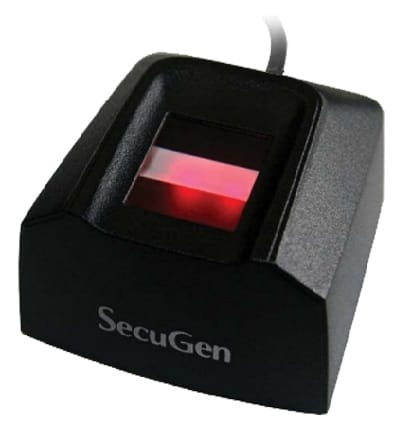
Biometric Fingerprint Authentication for Secure File Check-In and Check-Out in RFID File Tracking System

Secure Chain of Custody Management

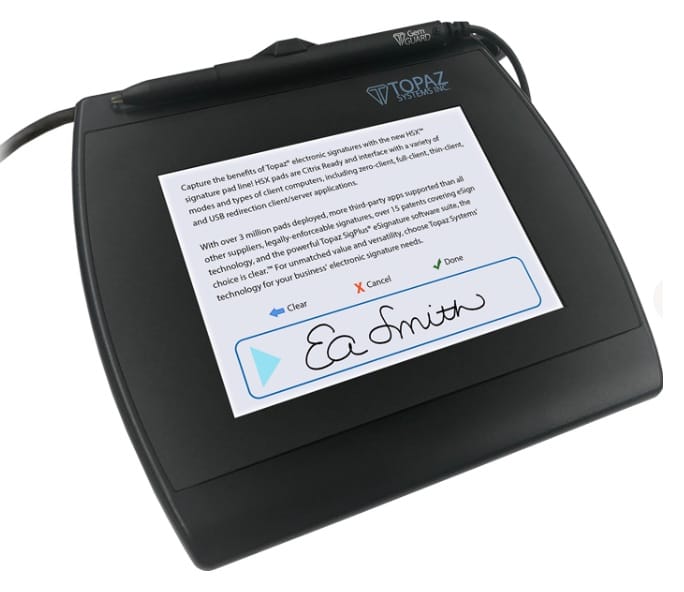
The Secure Chain of Custody Management feature of our RFID File and Document Tracking System provides a comprehensive, tamper-proof audit trail that captures every interaction with physical files, documents, and archives throughout their lifecycle. Each transaction—whether it's a check-out, check-in, transfer, or status change—is automatically logged with critical details such as user identity (verified through biometric authentication), timestamp, file status, and location. Check-out transactions require real-time validation of user permissions and file availability, ensuring that only authorized personnel can access or move files. Check-in transactions update the system with the file's return, current location, and custody status, while transfers between departments or storage areas are logged with both the sender and receiver's identities and timestamps. The personnel receiving the file are required to authenticate themselves by scanning their biometric credentials, confirming that the file has been properly handed over and is now under their custody. Also, the digital signature of the receiving personnel can be captured and stored in the system, providing an additional layer of accountability and non-repudiation for all file movements.

This detailed logging creates a clear and immutable record of custody for each file, showing who had access to it, when they accessed it, where it was located at each point in time, and what actions were taken. The system's centralized dashboard allows records managers to easily review the chain of custody for any file or document, providing transparency and accountability that supports compliance with legal, regulatory, and internal governance requirements.

By maintaining a robust chain of custody, the system helps prevent unauthorized access or tampering, reduces the risk of lost or misplaced files, and ensures that all interactions with physical records are fully traceable—strengthening overall records management practices and supporting audit readiness.

Digital Signature Pad for Tamper-Proof Chain of Custody in Physical File and Document Tracking

RFID File Tracking System vs Manual File Tracking: Key Differences

Organizations evaluating an RFID File Tracking System frequently compare it against traditional manual methods (paper registers, spreadsheets, logbooks) or barcode-only systems. The table below summarizes the core differences:

CapabilityRFID File Tracking SystemManual / Paper-Based TrackingBarcode-Only System
Scanning speedHundreds of files in seconds; no line-of-sight requiredManual entry, one file at a timeOne file at a time; requires line-of-sight
Real-time location visibilityYes — automatic via fixed RFID portals and handheld readersNo — relies on manual register entriesPartial — only at point of intentional scan
Unauthorized movement detectionYes — RFID portals at doorways trigger instant alertsNoNo
Audit trail accuracyTamper-proof, timestamped, automatedManual, error-prone, easy to falsifyGood, but dependent on staff remembering to scan
Biometric authenticationYes — fingerprint or PIN at check-out/check-inNoOptional
Inventory audit timeMinutes for an entire room via handheld RFID scannerDays of manual countingHours; staff must scan every label
Compliance readinessHIPAA, ISO 15489, FINRA, GDPR, government regulationsDifficult to demonstrate without complete paper trailsPartial — depends on implementation
ScalabilityDesigned for 10,000+ files across multiple locationsBreaks down at scaleScales but lacks automation at scale

Learn more about Why RFID over Barcode for File Tracking

Cost Effectiveness/Return On Investment (ROI)

Our File Tracking System also known as GOBO File Tracker delivers significant cost savings by reducing manual effort, operational inefficiencies, and file-related losses. Automated identification and bulk scanning eliminate time-consuming manual searches, audits, and reconciliations, allowing staff to locate and verify files within seconds rather than hours. ROI is achieved through improved operational efficiency, reduced labor costs, and minimized risks of lost or misplaced files.

By minimizing misplaced, lost, or duplicated files, the system reduces rework, document recreation costs, and compliance risks. Real-time visibility into file location and status improves utilization of existing resources, reducing the need for excess storage, duplicate records, and additional administrative staff.

RFID automation also lowers long-term operational costs by streamlining audits, improving turnaround times, and enabling faster decision-making. With higher accuracy, reduced dependency on human intervention, and scalable infrastructure, the system delivers a strong return on investment while supporting efficient, compliant, and sustainable records management.

Benefits of RFID File Tracking System

  • Real-time visibility: Instantly track the location and status of files, documents, and archives for quick retrieval and reduced search times.
  • Automated tracking: Eliminates manual errors and prevents loss or misplacement of records by continuously monitoring file movements.
  • Comprehensive audit trails: Strengthens accountability with detailed logs of all file activities and movements.
  • Enhanced security: Integrates biometric authentication and role-based access control to ensure only authorized personnel can access sensitive files.
  • Regulatory compliance: Supports compliance with industry regulations through secure access and complete record-keeping.
  • Flexible deployment: Offers multiple deployment options to fit different operational needs and IT strategies.
  • Operational efficiency and cost savings: Improves workflow, reduces manual labor, and lowers costs for organizations managing large volumes of physical records.

Why Choose GOBO File Tracker as Your RFID File Tracking System?

Organizations evaluating RFID file tracking solutions consistently cite the following as key differentiators of the GOBO File and Document Tracking System:

  1. Purpose-built for physical file tracking — Unlike generic document management platforms, GOBO File Tracker is built exclusively for tracking physical files and archives using UHF RFID and barcode technology. Every feature — from RFID portal-based unauthorized movement detection to multi-level destruction approval workflows — is designed specifically for physical records governance.
  2. Proven at scale across real deployments — Deployed for Shelby County (40,000+ active warrants), Elanco Animal Health (110,000+ batch record folders across multiple global sites), and Nationwide Title Clearing. These production deployments demonstrate reliability and scalability under demanding real-world conditions.
  3. Full data sovereignty — on-premises or private cloud — GOBO File Tracker can be deployed on-premises, on a client-owned private cloud, or on public cloud (AWS, Azure). Unlike SaaS-only competitors, GOBO gives organizations complete control over their data and infrastructure — critical for government agencies, courts, and regulated enterprises.
  4. Biometric-first chain-of-custody — The system enforces fingerprint biometric authentication at every check-in and check-out transaction, not just system login. This creates a legally defensible chain-of-custody record that holds up to regulatory audit and legal discovery.
  5. Unified RFID and barcode support — Organizations can start with barcode tracking and migrate to RFID incrementally, or run both technologies in parallel. This investment protection is rarely offered by RFID-only or barcode-only solutions.
  6. Enterprise integration without custom development — Out-of-the-box integration with Microsoft Entra ID (Azure AD) SSO, plus RESTful API, file-based, and database-based integration with EDMS and ERP systems. No custom development required for the most common enterprise IT architectures.

How to Evaluate the Best RFID File Tracking System

Buyers searching for the best RFID file tracking system should compare vendors against operational criteria that directly affect retrieval speed, compliance readiness, and long-term scalability. The checklist below summarizes what to evaluate and how GOBO File Tracker fits those requirements.

Evaluation CriteriaWhat Good Looks LikeHow GOBO File Tracker Fits
Purpose-built for physical filesDesigned for physical folders, archive boxes, circulation, and custody events rather than generic digital document storage.Built specifically for physical file and document tracking with RFID, barcode, queue management, and retention workflows.
Real-time visibilityAutomatic movement detection through RFID portals and rapid inventory with handheld readers.Supports RFID-enabled doors, hallway monitoring, handheld inventory, and real-time dashboard updates.
Chain of custody and complianceTamper-proof logs, biometric verification, RBAC, and policy-driven retention and destruction controls.Provides biometric check-in/check-out, role-based access control, audit trails, and secure destruction workflows.
Deployment flexibilityOn-premises, private cloud, or public cloud based on regulatory and IT requirements.Supports on-premises, client-owned private cloud, and public cloud deployment models.
Integration readinessWorks with SSO, EDMS, ERP, and existing enterprise data sources without heavy custom development.Supports Microsoft Entra ID (Azure AD), RESTful API, file-based, and database-based integration methods.
Scale proofDemonstrated deployments across large file inventories, multiple locations, or regulated environments.Referenced deployments include Shelby County (40,000+ active warrants) and Elanco (110,000+ batch record folders).

Single Sign On (SSO)

The GOBO File Tracking System seamlessly integrates with Microsoft Entra ID (Azure AD) and other industry-standard identity providers to enable secure Single Sign-On (SSO). This integration allows personnel authentication and role-based access rights to be centrally managed by the organization's IT or security team. By enforcing unified identity governance, the system ensures only authorized personnel can access files, documents and archives, strengthens security controls, and helps organizations maintain regulatory and organizational compliance across all locations.

Deployment Options

The GOBO File Tracker offers flexible deployment options to align with an organization's IT strategy and security requirements. The system can be deployed on on-premises infrastructure, on client-owned private cloud environments, or on public cloud platforms such as AWS, Microsoft Azure, or other leading cloud providers. This flexibility allows organizations to choose a deployment model that best fits their operational, regulatory, and data-sovereignty needs. Deployment decisions are guided by the client's internal IT governance and security policies, and GOBO strictly adheres to established cybersecurity standards, access controls, and compliance requirements to ensure secure and reliable system operations across all environments.

Additional Features:

Status Monitoring

Track files based on their status (e.g., Active, Archived, Destroyed, Legal Hold, Missing etc.).

Check-Out/Check-In Mechanism

Secure process using digital signatures or PIN based authentication.

Quick Check-Out/Check-In

Enabled through RFID portals or windows for rapid file circulation.

Audit Trails & Compliance Reporting

Complete audit trails and compliance reporting for regulatory requirements.

Multi-Location Support

System provides support for multiple locations with centralized management.

Comprehensive Reports

Generate detailed reports for insights and analytics on file movements.

Advanced Dashboards

Real-time dashboards for monitoring file status and operations.

Alerts & Notifications

Delivered via Web, SMS, and Email for timely updates.

Personnel History

Complete history of items issued to personnel with timestamps.

File/Document/Box History

Complete history of activities/actions performed with item.

Dependent Items Checkout

Checkout Boxes & files/documents inside it together in a single transaction.

Mobile RFID Integration

Quick Checkin/Checkout with Mobile/Tablet paired with RFID handheld device.

Kiosk Support

Quick Checkin/Checkout with Wall mounted Kiosk with Barcode technology.

Chain Of Custody Management

Track and maintain complete chain of custody for compliance.

Storage Location Management

Efficient management of storage locations and inventory.

Enterprise Integration

Integration capabilities with existing Document Management Systems via RESTful webservices, file based or Database based integration methods.

Blogs About File Tracking

File Tracking for Law Firms Using RFID and Barcode TechnologyFile Tracking
April 28, 2026 GOBO Systems

File Tracking for Law Firms Using RFID and Barcode Technology

Law firms manage large volumes of physical case files, contracts, evidence records, and confidential legal documents that require strict access controls, complete chain-of-custody documentation, and precise location tracking at all times. Without a proper file tracking system, legal firms rely on manual logbooks and spreadsheets that are error-prone, incomplete, and unable to meet the audit and compliance demands of modern legal practice.

An RFID and barcode-based file tracking system provides law firms with real-time visibility into the location and status of every physical file, automated check-in/check-out with biometric authentication, tamper-proof audit trails, and RFID portal-based unauthorized movement detection. These capabilities reduce the risk of misplaced or lost case files, improve retrieval speed, and ensure that chain-of-custody records meet legal discovery and compliance requirements.

Discover how the GOBO File and Document Tracking System helps law firms replace manual file tracking with RFID automation — improving accountability, reducing risk, and delivering compliance-ready audit trails across all legal files and records.

More Details Here
How RFID File Tracking System Reduces Employee DependencyFile Tracking
Mar 05, 2026 GOBO Systems

How RFID File Tracking System Reduces Employee Dependency

In many organizations, physical file management is still handled through manual registers, logbooks, or basic spreadsheets. In such environments, tracking the movement and location of documents depends heavily on individual employees who maintain records, locate files, and manage their circulation across departments. Without a structured file tracking system, organizations often rely on certain staff members who simply “know where everything is.”

Industries such as government departments, banks, hospitals, legal firms, and large enterprises handle thousands—or even millions—of physical documents, case files, and archived records. Managing such large volumes without a proper document tracking system or physical file tracking solution creates significant operational challenges. As the volume of records grows, manual processes become increasingly inefficient, making it difficult to maintain accurate file locations and custody information.

This high level of employee dependency introduces serious operational risks. When key personnel are unavailable due to leave, illness, or job changes, critical file retrieval and document circulation processes can slow down or even stop completely. Without a reliable file tracking system for physical documents or an automated RFID file tracking system, organizations may experience delays in decision-making, compliance challenges, misplaced files, and reduced productivity. Implementing a modern document management and file tracking solution helps organizations reduce employee dependency, improve accountability, and maintain real-time visibility into the movement and location of physical records.

Discover how RFID file tracking systems reduce employee dependency, streamline file management, and improve operational efficiency in organizations.

More Details Here
Why Paper Based File Tracking FailsFile Tracking
February 21, 2026 GOBO Systems

Why Paper Based File Tracking Fails

In the era of digital governance, many organizations still rely on paper-based file tracking systems that use manual logbooks, spreadsheets, and physical registers to manage document movement. While these traditional methods may work for small teams, they become inefficient and unreliable as file volumes grow. Without a proper file tracking system or document tracking software, organizations struggle to maintain accurate records of file locations and movements.

As businesses expand across departments and locations, managing large volumes of physical documents through manual processes becomes increasingly difficult. This often leads to misplaced files, delayed retrieval, compliance risks, and reduced operational efficiency. Implementing a modern digital file tracking system, such as an RFID file tracking system or barcode-based document tracking system, enables organizations to automate file movement tracking, improve accountability, and maintain real-time visibility of physical records.

Learn how RFID file tracking systems overcome the limitations of paper-based methods. Discover the benefits of automation, accuracy, and real-time tracking in modern file management.

More Details Here
Managing Retention and Destruction of Physical Files and Documents Efficiently File Tracking
January 23, 2026 GOBO Systems

Managing Retention and Destruction of Physical Files and Documents Efficiently

Managing records properly is essential for organizations such as government departments, legal firms, hospitals, financial institutions, and large enterprises. Documents must be kept for the right amount of time to meet legal and regulatory requirements, and safely destroyed once they are no longer needed.

When records retention and destruction are managed using spreadsheets or paper registers, problems often occur. Files may be kept longer than required, destruction deadlines may be missed, and it becomes difficult to prove compliance during audits. Over time, this leads to higher storage costs, security risks, and unnecessary operational effort.

A modern file tracking system makes records retention simple and reliable. It automatically tracks how long each file has been stored, follows approved retention schedules, and alerts teams when files are due for destruction. Every action is recorded, creating a clear audit trail for compliance and inspections. By using an automated records retention and destruction system, organizations can: Stay compliant with legal and regulatory requirements

  • Reduce storage space and related costs
  • Lower the risk of data loss or misuse
  • Simplify audits and inspections
  • Manage physical records more efficiently and securely
Effective records retention and secure destruction ensure that your organization keeps what is required, removes what is not, and maintains full control over its physical records lifecycle.

To learn more about managing physical records retention schedules and secure destruction processes to ensure compliance and efficient records management, click the button below.

More Details Here
Real-time File Circulation TrackingFile Tracking
January 15, 2026 GOBO Systems

Automated File Circulation Tracking Using RFID Technology

Effective file circulation management and file movement tracking between departments are essential for government agencies, law firms, healthcare organizations, financial institutions, and enterprises that handle large volumes of physical records. Without a proper file tracking system, manual methods like logbooks and spreadsheets often lead to misplaced files, delayed retrieval, incomplete tracking history, and compliance risks.

An RFID file tracking system provides an automated and scalable solution for monitoring document movement across departments and locations. Using RFID technology for file tracking, organizations can achieve real-time file location visibility, automated check-in/check-out records, and complete audit trails. Implementing a modern document tracking system helps improve accountability, speed up file retrieval, and ensure regulatory compliance in records management.

Discover how RFID technology revolutionizes file circulation tracking by automating file movement monitoring, improving accountability, and reducing file loss or misplacement in organizations.

More Details Here

Industries

RFID File Tracking System for Law Firms

Law firms handle large volumes of case files, contracts, and legal documents that require secure storage, accurate tracking, and strict access controls. An RFID file tracking system provides real-time visibility into the location and movement of physical records, ensuring that sensitive legal documents are properly managed and protected throughout their lifecycle. With features like secure check-in/check-out, tamper proof audit trails, and secure chain-of-custody management, law firms can improve operational efficiency, reduce the risk of misplaced files, and maintain compliance with regulatory requirements.

Learn more about RFID and Barcode File Tracking for Law Firms

Healthcare and Patient Records

Healthcare organizations manage vast amounts of patient records, medical files, and sensitive documents that require strict confidentiality and compliance with regulations like HIPAA. An RFID file tracking system enables healthcare providers to securely track the location and movement of physical patient records, ensuring that they are easily accessible to authorized personnel while maintaining strict access controls. With features like real-time location tracking, secure check-in/check-out, and comprehensive audit trails, healthcare organizations can improve patient care, reduce the risk of lost or misplaced records, and maintain compliance with regulatory requirements.

Government Departments and Agencies

Government departments and agencies handle a wide range of sensitive documents, including policy papers, reports, and official records. An RFID file tracking system helps these organizations maintain strict control over document access, track the movement of files in real-time, and ensure compliance with regulatory requirements. Features like secure check-in/check-out, tamper-proof audit trails, and secure chain-of-custody management enhance operational efficiency and reduce the risk of lost or misplaced documents.

Banking and Financial Services

Banking and financial institutions handle a vast array of sensitive documents, including account records, loan applications, and financial statements. An RFID file tracking system allows these organizations to monitor the movement and location of physical documents in real-time, ensuring secure access and compliance with regulatory requirements. Features like secure check-in/check-out, tamper-proof audit trails, and secure chain-of-custody management help improve operational efficiency, reduce the risk of lost or misplaced documents, and enhance overall security.

Enterprises and Large Organizations

Enterprises and large organizations across various industries manage extensive physical records, including contracts, personnel files, and archived documents. An RFID file tracking system provides these organizations with real-time visibility into the location and movement of physical records, ensuring secure access and efficient management. With features like secure check-in/check-out, tamper-proof audit trails, and secure chain-of-custody management, enterprises can improve operational efficiency, reduce the risk of lost or misplaced documents, and maintain compliance with regulatory requirements.

Case Studies

GOBO File & Document Tracking System has been successfully deployed across government departments, legal institutions, and enterprise organizations. Current references on this page include deployments spanning 40,000+ active warrants, 110,000+ batch record folders, and large-scale mortgage and title document workflows. These examples help buyers evaluate vendor fit based on deployment scale, operational complexity, and document sensitivity.

Shelby County

Shelby County manages more than 40,000 active warrants, all tracked using barcode labels. Our File Tracking System was integrated with the county's back-end system via a scheduled hourly file-based import, automatically bringing new warrants into the system. Operators then print barcode labels directly from within the application — eliminating manual data entry and ensuring every warrant is consistently labeled and trackable from the moment it is created.

Elanco Animal Health

Elanco Animal Health is the third-largest animal health company in the world, developing and selling products and services to treat and prevent disease in animals. Elanco uses physical batch record folders — file folders containing documents that travel with products through the entire manufacturing lifecycle: quality review, product packaging, QC checks, and scientific processes.

The initial deployment manages approximately 110,000 batch record folders across multiple global sites. Our File Tracking System enables Elanco to track every folder as it moves through each stage of the manufacturing process, with full visibility into current location and custody. Inactive folders are archived and tracked at the box/files-in-box level before being transferred offsite — ensuring end-to-end traceability from production floor to off-site archive.

NTC — Nationwide Title Clearing

Nationwide Title Clearing is a leading provider of document processing services for the mortgage and financial services industry. GOBO Find-A-File Tracking Application was deployed to manage their physical title and document files from enrollment through audit.

Each new record is enrolled in the system and mapped to both an RFID label and a barcode label, creating a dual-identification record from day one.

A mobile scanner is used by staff to rapidly inventory files in circulation, conduct full file audits, and locate missing files — significantly reducing the time and effort required compared to manual paper-based tracking.

Frequently Asked Questions

A File Tracking System is a software tool along with hardware components which is used to track and manage the location, movement, and life cycle of physical files and documents in an organization. The advantages of a file tracking system include the following: real-time tracking of the location of the file, reduction of time spent looking for the file, check-in and check-out of the file with biometric identification, complete audit trail, security with access control, prevention of lost and misplaced files, efficient management of the circulation of the file, retention and destruction of the file, chain of custody, and reporting. These systems make use of RFID, barcodes, and QR codes to track the movement of the file.
RFID File Tracker System can track and manage all types of physical documents, folders, and archives including legal files, medical records, personnel files, contracts, archive boxes, folders, loan files, property and insurance files, government records, and any document that requires tracking, audit trails, and chain-of-custody documentation across different departments and locations in your organization.
Each document or file folder is tagged with an RFID label containing unique identification. RFID portals and handheld scanners automatically detect when files are moved, checked out, or returned without requiring line-of-sight scanning. This provides real-time location tracking and eliminates manual data entry for faster, more accurate file management. RFID portals can be installed at key locations like entry/exit points, file rooms, and archive centers for automatic continuous detection of file movements.
Yes, our RFID file and document tracking system offers comprehensive API integration capabilities and can work alongside existing document management systems (EDMS), ERP systems, and other enterprise software to provide unified document lifecycle management. The system supports Single Sign-On (SSO) integration with Microsoft Entra ID (Azure AD) and other identity providers for centralized authentication and access management.
In case of supporting compliance standards and regulatory requirements, GOBO File Tracker is designed to meet the needs of various industries and regulatory frameworks. We support storing and managing data in client's data centers which are completely under client's control and compliant with industry standards. The system can be configured to meet specific compliance requirements such as HIPAA for healthcare, GDPR for data protection, FINRA for financial services, and various government record-keeping regulations. We also provide comprehensive audit trails, secure access controls, and data encryption to ensure that your document management practices meet the necessary legal and regulatory standards as required by our clients.
Our system, also known as Government file and document tracking system, includes comprehensive security features: biometric authentication for user verification, granular role-based access control (RBAC) with need-to-know basis access, digital signatures and PIN-based authentication for check-out/check-in, encrypted data transmission, multi-location access restrictions, RFID-enabled door monitoring to prevent unauthorized exit, complete audit logs showing who accessed which documents and when, and secure chain-of-custody management with tamper-proof transaction logging.
Our Physical Document Tracking System provides a Queue Management module that replaces informal file requests with a structured, transparent workflow. Users submit file requests through the system specifying purpose, priority, and duration. Once delivered and work is completed, users raise a 'Ready for Pickup' request to signal the file can be collected for return to the record room or transfer to another requester. This eliminates delays, reduces unnecessary file retention at desks, and maintains complete audit trails of all requests, deliveries, and pickups.
Our Secure File Tracking System uses RFID technology to monitor and control file movements at critical exit points. RFID-enabled doors and hallways are installed at strategic exit points such as record room doors, department entrances, hallways, and building exits. When a tagged file passes through, the system automatically detects the movement and validates it against authorized circulation rules and approvals. If movement is unauthorized or lacks valid approval, the system instantly alerts staff through visual/audible alarms and logs the event for investigation. This prevents accidental or intentional removal of files from secure areas.
Yes, the RFID File Tracking System allows organizations to define custom retention policies based on regulatory requirements and business needs. The system automatically tracks retention periods, generates timely alerts before destruction dates, manages legal holds to prevent accidental destruction of files under litigation, requires multi-level approval workflows before destruction, maintains automated destruction audit trails, and provides comprehensive documentation for compliance and audit purposes. For more details, please read the blog post on Managing Retention and Destruction of Physical Files and Documents Efficiently.
Yes, our Physical File Tracking System can track file circulation and movements in real-time across multiple floors, buildings, and office locations using strategically placed RFID portals, desktop readers, and handheld scanners. As files travel from one location to another, RFID readers at strategic locations log file locations in real-time, which is immediately reflected on the centralized dashboard. This provides comprehensive visibility into file movements and enables quick location of documents across the entire organization. For more details, please read the blog post on Automated File Circulation Tracking Using RFID Technology.
Our RFID File Tracking system supports flexible deployment options to align with organizational IT strategies: on-premises infrastructure, client-owned private cloud environments, or public cloud platforms (AWS, Microsoft Azure, or other leading providers). The system integrates with Microsoft Entra ID (Azure AD) for Single Sign-On (SSO), supports biometric authentication devices, RFID portals, handheld scanners, and desktop readers. This flexibility allows organizations to choose deployment models matching their operational, regulatory, and data-sovereignty requirements.
A complete RFID File Tracking System requires three categories of hardware: (1) RFID Labels/Tags — passive UHF RFID labels (860–960 MHz) are affixed to each file folder, document, or archive box. These labels contain a unique Electronic Product Code (EPC) and have no battery; they are powered by the reader's RF signal. (2) RFID Readers — fixed desktop readers are placed at check-in/check-out stations; handheld readers are used by staff for mobile scanning, inventory audits, and locating missing files. (3) RFID Portals / Smart Doorways — fixed RFID antenna arrays installed at record room entrances, department doorways, and building exits to automatically detect any tagged file that passes through, enabling real-time circulation tracking and unauthorized movement alerts. The GOBO File Tracking System software integrates with leading UHF RFID reader brands and can be configured for your specific facility layout.
RFID File Tracking Systems deliver the greatest return in industries where physical records are high-volume, compliance-sensitive, or both:
  • Government agencies and departments — manage public records, policy documents, and permits with strict retention mandates.
  • Law firms and courts — track case files, evidence records, and legal documents with tamper-proof chain-of-custody requirements.
  • Healthcare organizations — manage patient medical records and clinical files in compliance with HIPAA and other regulations.
  • Banking and financial services — track loan files, account records, and financial documents under FINRA and banking regulations.
  • Pharmaceutical and manufacturing — track batch record folders that travel with products through manufacturing and QC processes.
  • Insurance companies — manage policy files, claim records, and property documents across multiple office locations.
  • Universities and educational institutions — track student records, faculty files, and archival materials.
Any organization managing more than a few thousand physical files across multiple departments or locations stands to benefit significantly from automated RFID file tracking.
An Electronic Document Management System (EDMS) manages digital files — scanned PDFs, Word documents, and other electronic records stored on servers or in the cloud. An RFID File Tracking System manages physical files — actual paper folders, documents, and archive boxes that exist in the real world and are moved by people between departments, offices, and storage rooms. The two systems are complementary: GOBO File Tracker can store electronic versions of documents alongside their physical counterparts, linking each digital file to its physical folder. Organizations that have both physical and digital records can use GOBO to maintain a unified record of where the physical copy is located, who has it, and what its current status is — while the EDMS handles digital document storage and retrieval.
A typical RFID file tracking system implementation takes 4 to 12 weeks depending on the number of files to be tagged, number of locations, RFID portal and reader installation requirements, and data migration complexity. The process includes: site assessment, hardware installation (RFID portals, handheld readers, desktop readers, biometric devices), software deployment, data migration from existing systems or spreadsheets, RFID tagging of the existing file inventory, and staff training. GOBO File Tracker is designed for rapid deployment — bulk data import tools and guided workflows minimize disruption to daily operations. Organizations with under 50,000 files at a single location typically complete implementation in 4 to 6 weeks.
The cost of an RFID file tracking system depends on the number of files to be tracked, number of locations, hardware requirements (RFID portals, handheld readers, desktop readers, biometric authentication devices), deployment model (on-premises, private cloud, or public cloud), and the level of integration with existing enterprise systems. GOBO File Tracker pricing is structured per deployment and customized to your organization's scale and requirements. Contact GOBO Systems for a detailed quote tailored to your organization's needs.
The best RFID file tracking system depends on your file volume, compliance obligations, number of locations, and whether you require RFID portal-based unauthorized movement detection, biometric authentication, chain-of-custody reporting, and integration with existing EDMS or ERP systems. Buyers should prioritize purpose-built support for physical files, deployment flexibility, proof of successful large-scale deployments, and secure access controls. GOBO File Tracker is designed for government, legal, healthcare, banking, and enterprise environments that need strong chain-of-custody, real-time file visibility, and flexible on-premises or cloud deployment.
Choose RFID when you need high-speed bulk scanning, real-time location visibility, automated door or hallway detection, and faster inventory audits without line-of-sight scanning. Choose barcode when budgets are tighter, scan volumes are lower, and manual point-by-point scanning is acceptable. Many organizations adopt both: barcode for lower-cost rollout and RFID for high-volume, high-security, or compliance-sensitive workflows. GOBO File Tracker supports both RFID and barcode so organizations can start with one method and scale to the other as operational needs grow.

Schedule a Demo of GOBO File & Document Tracking System — Record Management Software for Government, Legal & Enterprise